
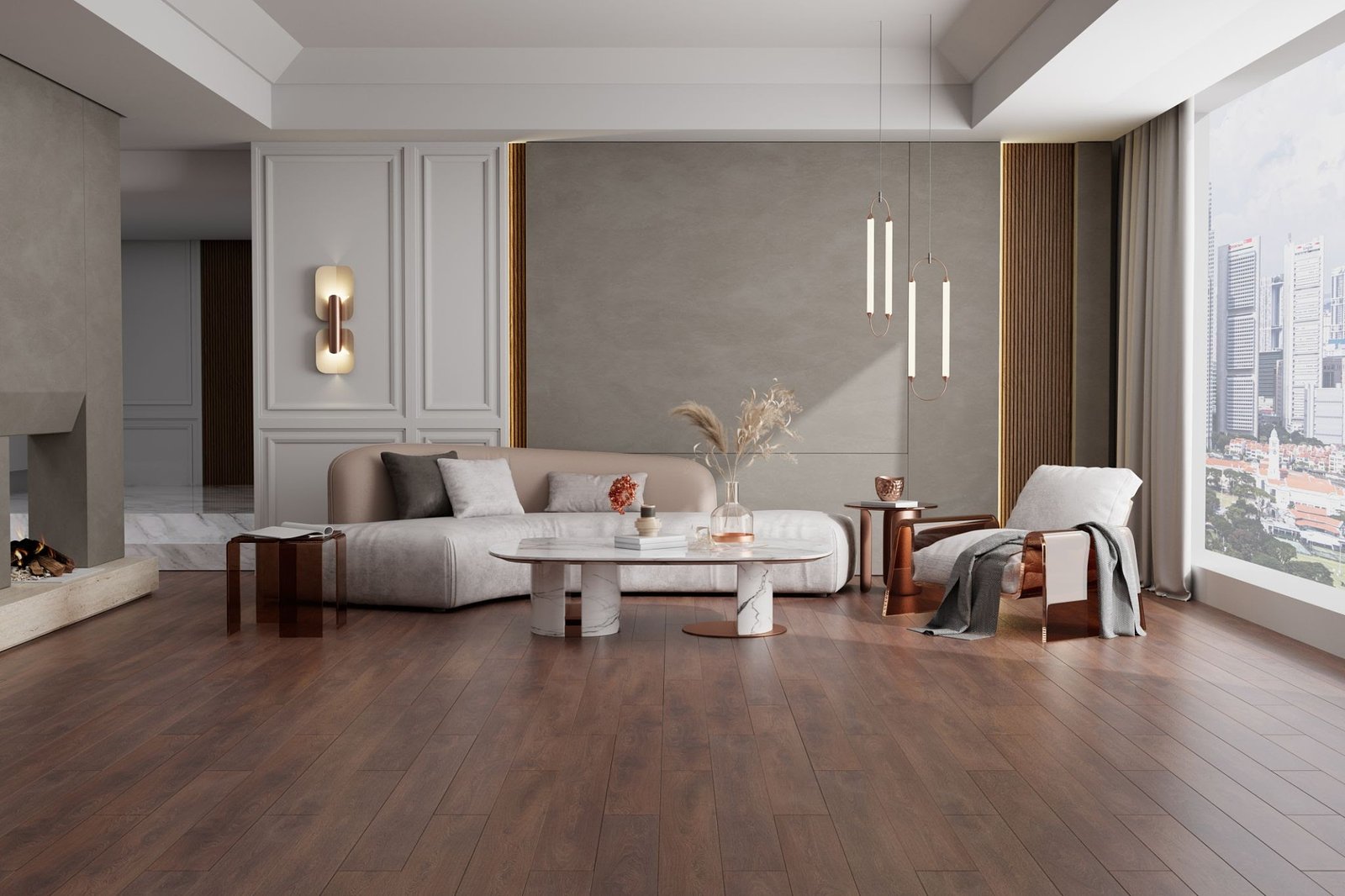
When it comes to upgrading residential or commercial spaces, vinyl flooring in Singapore has quickly bypassed traditional choices like ceramic tile or solid timber. For homeowners moving into a new HDB BTO flat or managing a major resale renovation, it offers an optimal balance of structural resilience, low maintenance, and visual appeal.
However, given Singapore's unique tropical climate and strict housing development guidelines, choosing a generic variant without knowing the specifications can lead to early bubbling, warping, or unexpected installation roadblocks down the road.
Why Vinyl Dominates Singapore's Home Renovation Landscape
Solid hardwood floors look beautiful, but they expand and contract aggressively under Singapore's persistent indoor humidity and require frequent resealing. High-quality vinyl flooring completely bypasses these structural vulnerabilities:
- 100% Moisture Resistance: Modern variants feature synthetic cores that will not swell, rot, or harbor mold when exposed to damp mopping or kitchen spills.
- Hassle-Free Overlay Options: Instead of hacking up your existing floor layout—which creates heavy concrete dust, takes days, and requires costly permits—vinyl can often be laid directly over your current sound tile layers.
- Vast Aesthetic Range: Advanced printing technology flawlessly replicates the deep grains of European oak, industrial concrete, or raw marble without their respective vulnerabilities.
Choosing the Right Core: SPC vs. Glue-Down Vinyl
Without using pricing as a metric, the selection process comes down to how your specific space will be used, the thickness of the wear layer, and the state of your subfloor.
1. Click-and-Lock SPC (Stone Polymer Composite)
This is the gold standard for high-traffic local residential spaces. Formulated with a blend of natural limestone powder and stabilizers, SPC features an incredibly rigid core.
- The Benefit: It resists heavy impact from dropped objects and remains completely stable under direct sunlight near balcony doors.
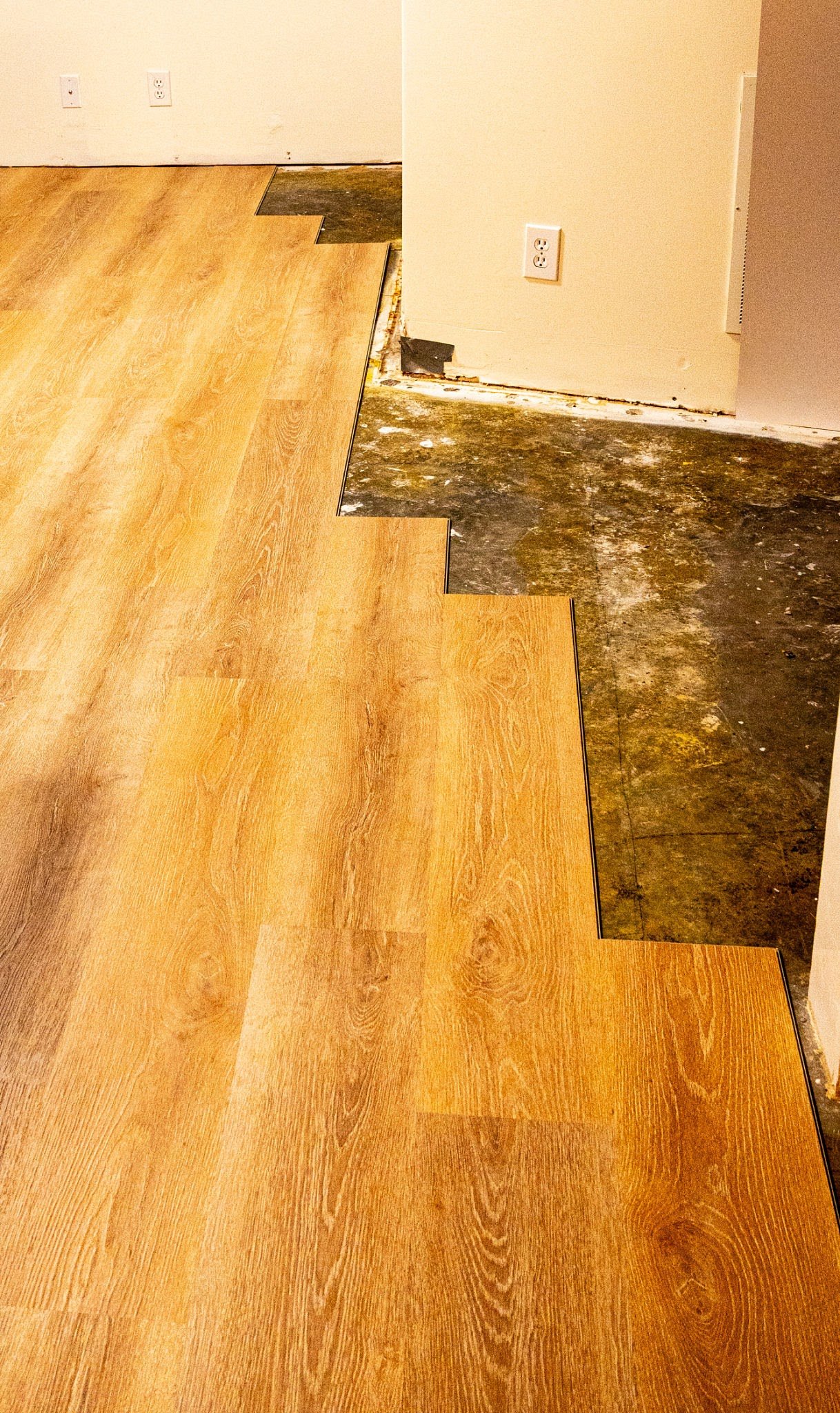
- The Mechanics: The planks snap together tightly using a tongue-and-groove profile, meaning no liquid adhesives are required during the assembly process.
2. Glue-Down Luxury Vinyl Tiles (LVT)
Glue-down variants rely on a high-grade, moisture-resistant flooring adhesive to bond the flexible vinyl sheets or planks directly to a perfectly smooth subfloor.
- The Benefit: It provides excellent foot-step sound dampening because there is zero hollow air pocket underneath the material.
- The Mechanics: It requires a flawless, professionally skim-coated subfloor. Any slight bumps or dips in the concrete below will telegraph right through the flexible material over time.
| Feature | Click-and-Lock SPC | Glue-Down LVT |
|---|---|---|
| Core Material | Stone Polymer Composite (Ultra Rigid) | Luxury Vinyl (Flexible PVC) |
| Adhesive Required | No (Floating click profile) | Yes (High-grade flooring glue) |
| Subfloor Sensitivity | Low (Hides minor subfloor variations) | High (Requires skim-coated subfloor) |
| Sound Dampening | Requires underlayment padding | Excellent (No air gaps beneath) |
| Best Used For | Balcony borders, living spaces, kitchens | Large bedrooms, commercial offices |
Essential HDB Regulations for Overlaying Floors
If you are renovating a public housing flat in Singapore, you must comply with clear structural frameworks enforced by the Housing & Development Board to ensure building safety and neighborly peace.
When executing an overlay installation, the newly introduced material layer increases the height of your floor profile. You must ensure that your entrance doors and bedroom timber doors still have clear swinging space. Professional installers will check these tolerances and slightly trim the bottom edges of your doors if they catch on the new vinyl surface.
For homeowners choosing to entirely hack down original developer tiles to the bare concrete slab before laying vinyl, HDB mandates the use of a proper leveling base alongside pre-approved acoustic underlayment padding. This ensures your footsteps do not send sharp structural noise into the apartment directly below yours.
Crucial Installation Mistakes to Avoid
Even the highest-grade click-lock SPC planks will suffer from interlocking seam separation or creaking sounds if the floor beneath them has variations larger than 2mm. A professional contractor must always test the levelness of the room and address uneven surfaces beforehand.
Like all architectural materials exposed to fluctuating temperatures (such as turning on a powerful air conditioner after a hot day), vinyl expands and contracts minutely. Installers must leave a tiny 4mm gap along the perimeter walls, which is then hidden neatly by matching skirting boards or silicone beads, to prevent the center planks from buckling upward over time.
